
Cold Radiators? Let’s Look at the Reasons
Few things are more frustrating than cold radiators, especially during the winter months when you depend on your central heating system to keep your home warm. If your radiators aren’t heating up as they should, there’s no need to panic—this is a common issue with several potential causes. From simple fixes like adjusting radiator valves…

Why you can trust our content
We understand that the boiler industry can be confusing, with plenty of outdated or misleading information. That’s why we rely only on trusted, proven sources to guide our advice and installations:
At a glance
Few things are more frustrating than cold radiators, especially during the winter months when you depend on your central heating system to keep your home warm. If your radiators aren’t heating up as they should, there’s no need to panic—this is a common issue with several potential causes.
From simple fixes like adjusting radiator valves or bleeding trapped air to more complex solutions such as a system power flush, understanding the root of the problem can help you restore warmth to your home quickly. In this guide, we’ll walk you through the most common causes of cold radiators and provide practical solutions to get your heating system back on track.
Check Whether the Radiator Valves are Turned On
Radiator valves control the flow of hot water into your radiator. If they are turned off or partially closed, your radiator may remain cold.
If you’re unsure about adjusting these valves, consult your heating system’s manual or seek professional advice.
Radiator Cold at the Top? Trapped Air is the Reason
If your radiator is warm at the bottom but cold at the top, it’s likely that air is trapped inside. This can prevent hot water from circulating properly. Removing the trapped air is called bleeding. Bleeding the radiator is a simple fix:
After bleeding, you may need to check the pressure on your boiler and top it up if necessary. When the heating is running again, the radiator should be hot to the top again.
An Unbalanced Heating System Can Create Cold Radiators
An unbalanced heating system prevents an even distribution of heat. This often results in some rooms being too warm while others remain cold. The issue is typically due to improper adjustment of the lockshield valves on the radiators. These valves control the amount of hot water flowing through each radiator and need to be set correctly to balance the system.
Signs of an Unbalanced Heating System
How to Fix an Unbalanced Heating System
For precise balancing, a professional heating engineer can help.
Let’s get started, Which fuel powers your boiler?
It just takes 2 minutes
And then you can book a free consultation
Signs You Need a Power Flush
If your radiators are cold in patches, or cold at the bottom but warm at the top, there could be a build-up of sludge internally. When multiple radiators in your home are not heating up, it is a sign that debris inside the pipes is hindering the flow of water. Over time, this build up can reduce the efficiency of your heating. The best way to get rid of the debris is to book a power flush service.
Key Signs You Need a Power Flush:
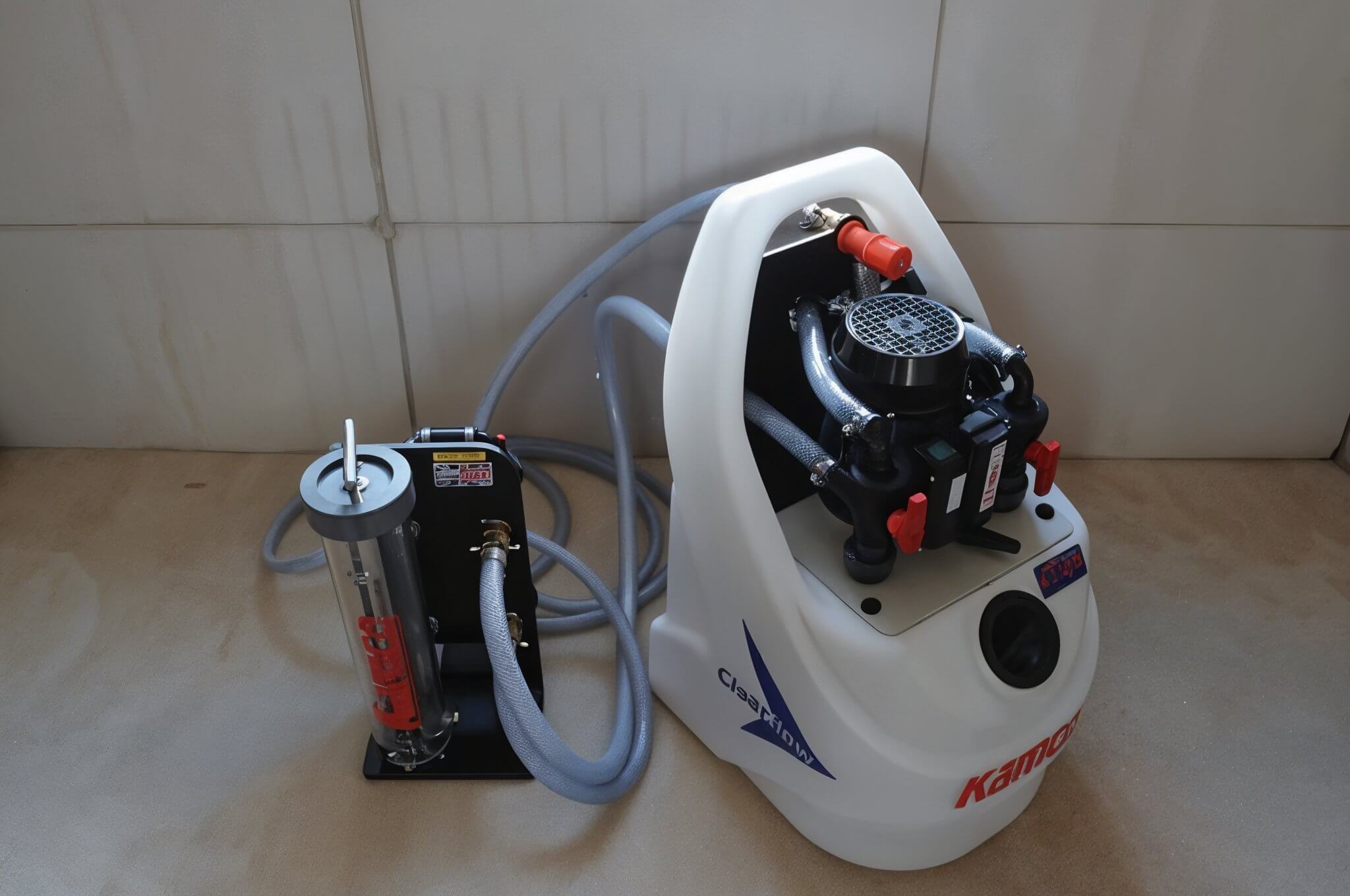
A power flush involves forcing a chemical solution through your heating system to clear out sludge, rust and debris. Once completed, the water flows freely inside the heating pipes and radiators, producing an even heat and warmer rooms. This process should be carried out by a qualified professional and can significantly improve the performance and lifespan of your heating system.
In a Nutshell
Addressing cold radiators doesn’t always require professional intervention. You can often resolve the issue yourself by checking valves, bleeding radiators, or balancing the radiators. However, if problems persist, it’s best to consult a heating engineer to avoid further complications. Contact the team at County Boilers for advice or to book a service and maintenance check of your central heating system.
Related articles
Let’s get started, Which fuel powers your boiler?
At a glance
Few things are more frustrating than cold radiators, especially during the winter months when you depend on your central heating system to keep your home warm. If your radiators aren’t heating up as they should, there’s no need to panic—this is a common issue with several potential causes.
From simple fixes like adjusting radiator valves or bleeding trapped air to more complex solutions such as a system power flush, understanding the root of the problem can help you restore warmth to your home quickly. In this guide, we’ll walk you through the most common causes of cold radiators and provide practical solutions to get your heating system back on track.
Check Whether the Radiator Valves are Turned On
Radiator valves control the flow of hot water into your radiator. If they are turned off or partially closed, your radiator may remain cold.
If you’re unsure about adjusting these valves, consult your heating system’s manual or seek professional advice.
Radiator Cold at the Top? Trapped Air is the Reason
If your radiator is warm at the bottom but cold at the top, it’s likely that air is trapped inside. This can prevent hot water from circulating properly. Removing the trapped air is called bleeding. Bleeding the radiator is a simple fix:
After bleeding, you may need to check the pressure on your boiler and top it up if necessary. When the heating is running again, the radiator should be hot to the top again.
An Unbalanced Heating System Can Create Cold Radiators
An unbalanced heating system prevents an even distribution of heat. This often results in some rooms being too warm while others remain cold. The issue is typically due to improper adjustment of the lockshield valves on the radiators. These valves control the amount of hot water flowing through each radiator and need to be set correctly to balance the system.
Signs of an Unbalanced Heating System
How to Fix an Unbalanced Heating System
For precise balancing, a professional heating engineer can help.
Let’s get started, Which fuel powers your boiler?
It just takes 2 minutes
And then you can book a free consultation
Signs You Need a Power Flush
If your radiators are cold in patches, or cold at the bottom but warm at the top, there could be a build-up of sludge internally. When multiple radiators in your home are not heating up, it is a sign that debris inside the pipes is hindering the flow of water. Over time, this build up can reduce the efficiency of your heating. The best way to get rid of the debris is to book a power flush service.
Key Signs You Need a Power Flush:
A power flush involves forcing a chemical solution through your heating system to clear out sludge, rust and debris. Once completed, the water flows freely inside the heating pipes and radiators, producing an even heat and warmer rooms. This process should be carried out by a qualified professional and can significantly improve the performance and lifespan of your heating system.
In a Nutshell
Addressing cold radiators doesn’t always require professional intervention. You can often resolve the issue yourself by checking valves, bleeding radiators, or balancing the radiators. However, if problems persist, it’s best to consult a heating engineer to avoid further complications. Contact the team at County Boilers for advice or to book a service and maintenance check of your central heating system.